
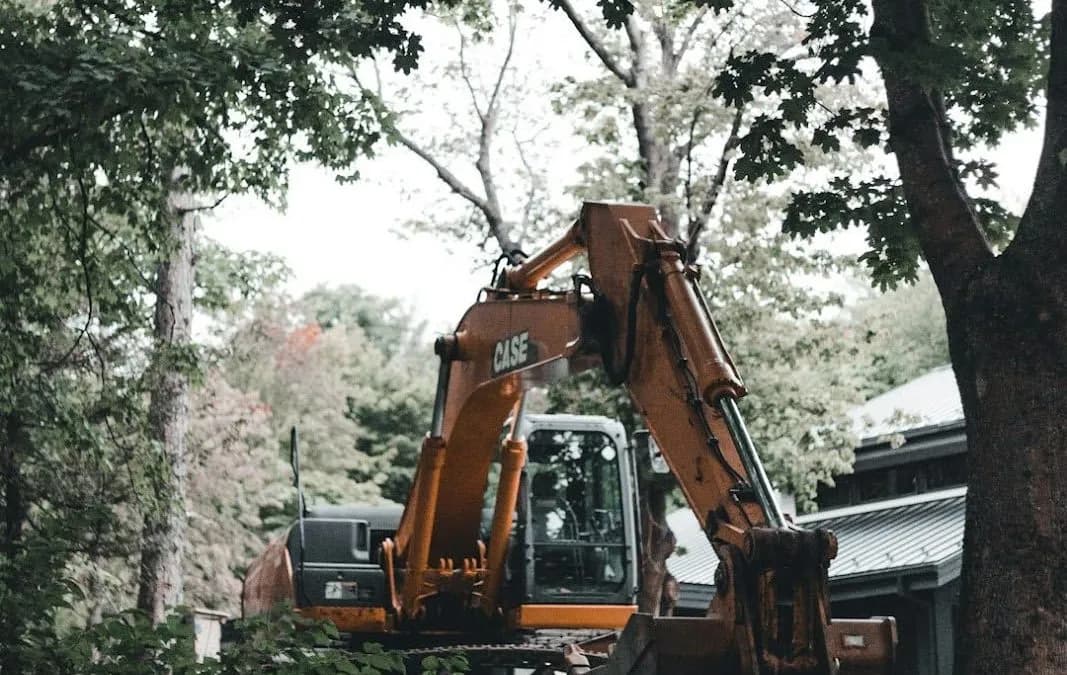
The Hidden Costs of Ignoring Tree Maintenance
Quick answer: skipping tree maintenance doesn't save money — it defers the bill and multiplies it. A neglected tree fails on the worst possible day: in a storm, at night, on the house. Emergency work costs more than planned work, storm damage costs more than either, and a tree that showed warning signs for years can complicate an insurance conversation. Here's where the real money goes when trees in Buford, Suwanee, Lawrenceville, Duluth, or Gainesville get ignored.
- Emergency removal costs a premium — urgent, after-hours, and often with a crane involved.
- A failed tree takes property with it: roofs, fences, vehicles, power lines.
- You're responsible for your trees. A visibly hazardous tree that falls on a neighbor is a liability conversation, not just a cleanup.
- Warning signs are visible early — dieback, fungus at the base, a new lean — and they're cheap to act on.
- A once-a-year walk-around plus targeted trimming is the cheapest tree insurance there is.
What does ignoring a hazard tree actually cost?
Three bills instead of one. First the emergency response — a storm-dropped tree on a structure needs an urgent crew, often at night, often with crane work to lift it off safely. Then the repairs: roofing, fencing, gutters, sometimes a vehicle. Then the original problem still needs finishing — the rest of the tree, the stump, the cleanup. Planned removal of the same tree on a calm weekday is one bill, and the smallest of the three.
Could a neglected tree affect an insurance claim?
It can complicate one. Insurers generally treat sudden storm damage differently from damage by a tree that was visibly dead or failing for years — documentation of reasonable care is worth having. We're tree people, not insurance people, so the practical advice is simple: check your own policy's language, and don't leave a known hazard standing. A dated estimate or an inspection record showing you acted is cheap paper to hold.
What are the warning signs that cost the least to act on?
The ones you can see from the ground: dead limbs over places people use, thinning in the upper crown, mushrooms or conks at the base or on the root flare, bark splitting, and any lean that's new. University of Georgia hazard guidance treats a lean of 30 degrees or more with a target beneath it as a tree to act on rather than watch. Our full walkthrough: dangerous tree warning signs.
What does "maintenance" actually mean for a North Georgia yard?
Not much, done regularly — that's the point. A yearly walk-around after leaf-drop, when structure is visible. Trimming of dead or conflicted limbs in the cold months. Mulch — 2 to 4 inches, never touching the trunk — instead of string-trimmer scars on root flares. And when a tree is genuinely past saving, a scheduled removal on your calendar instead of the storm's.
Frequently asked questions
Why is emergency tree service in Buford more expensive?
Because everything about it is urgent: crews rerouted, after-hours work, hazardous cutting on a loaded or tangled tree, and often crane time. Our emergency crew runs 24/7 — but the cheapest emergency is the one you scheduled out of existence.
How often should trees be professionally checked?
A professional look every few years is plenty for young, healthy trees. Large, mature trees near structures deserve an annual walk-around — yours or ours — and a closer look after any major storm.
Am I liable if my tree falls on a neighbor's property?
If the tree was a known, visible hazard, you can be. Georgia liability turns on facts we can't judge for you — what we can do is document a tree's condition and remove real hazards before the question ever comes up.
Does trimming actually prevent storm damage?
It removes the most likely failures — dead limbs and weakly attached ones — and reduces wind load in the crown. No one can storm-proof a tree, but well-maintained trees shed storms dramatically better than neglected ones.
One walk-around beats one emergency
Walk your yard this weekend, note anything dead, leaning, or mushroomed, and send us the photos — the assessment and estimate are free. R & R Tree Service, family-owned in Buford since 1987, licensed and insured: (678) 482-9994.
 Call (678) 482-9994