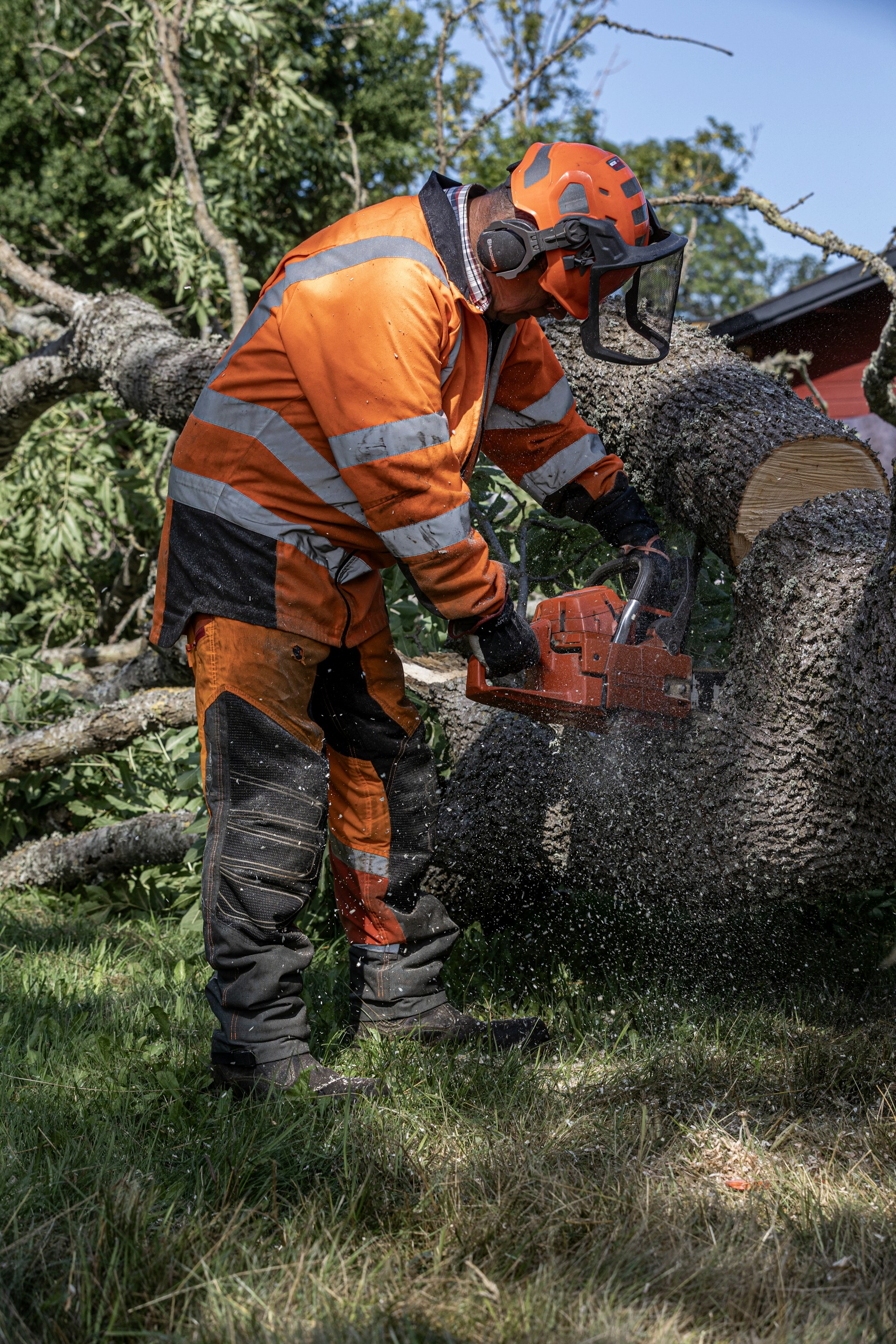
Do I need a permit to take a tree down at my Duluth house?
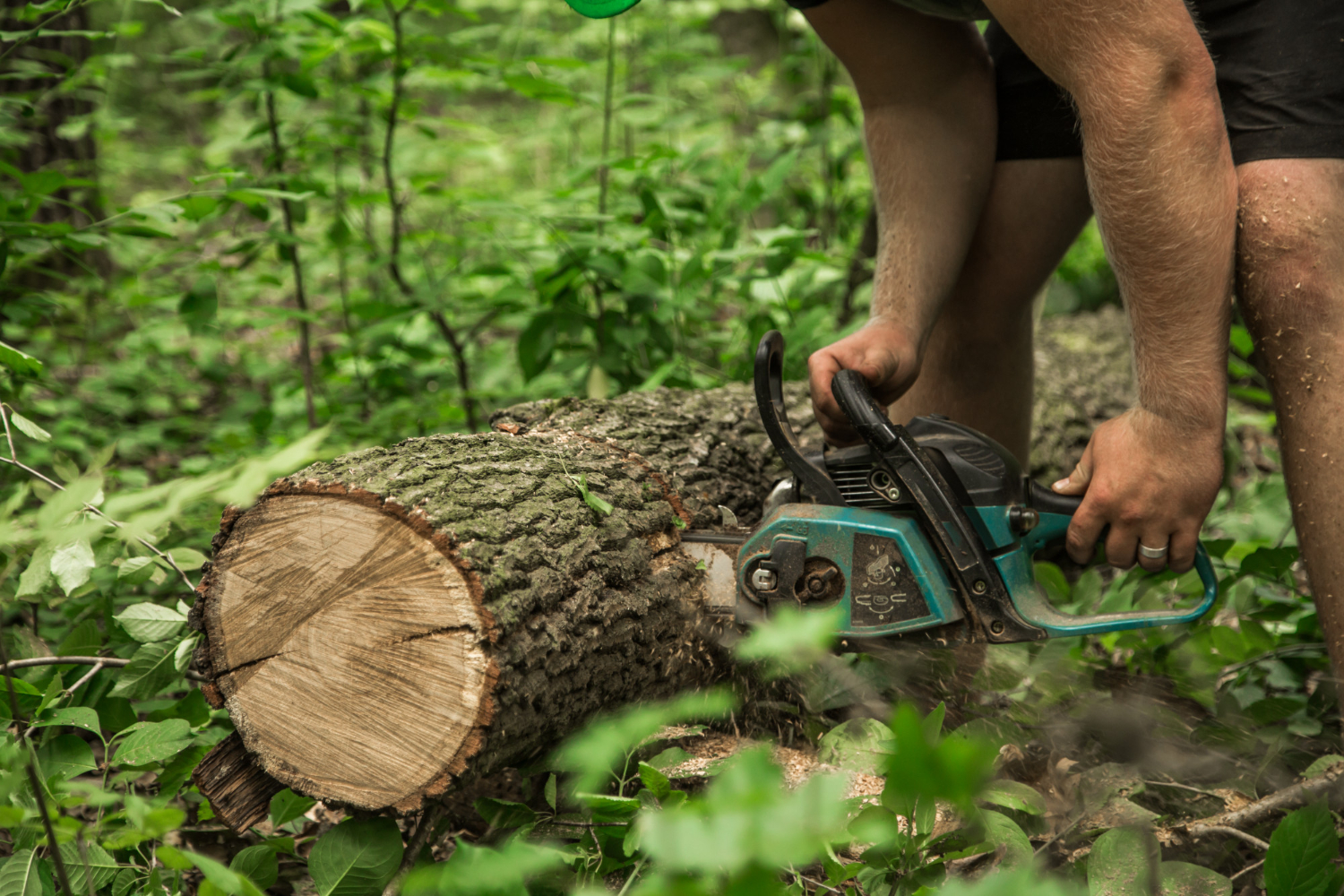
If it is a single-family residential property inside the city, no — Duluth states that no permit is required for tree removal at single-family residential properties. The city does still encourage you to make contact first so any required buffers or landscape obligations can be checked before work starts.
What about a business, apartment building or church property?
Completely different. Removal of any trees or vegetation from non single-family residential property in Duluth is prohibited without prior written approval from the Community Development Department, and the request must be submitted in writing for review. Those sites also have to maintain a minimum tree density of twenty units per acre.
What does "twenty units per acre" actually mean?
It is a measure of basal area rather than a headcount — the code is explicit that a unit is not synonymous with a tree. Because basal area scales with trunk size, one large tree contributes far more than several small ones. Removing a single big stem can therefore put a site under the standard and trigger replanting.
I have a dead tree leaning towards my neighbour. Is that my problem?
Yes, and the code frames it as a duty. Dead, substantially injured, damaged or diseased trees are not allowed to exist or be maintained where they are hazardous to people on adjacent property, to that property, or to public streets. Normal care of the trees on your land is the owner's responsibility, so a known hazard left standing is not a neutral choice.
We are developing a subdivision. Do the single-family rules still apply?
Not in the same way. Single-family lots being developed as a subdivision must maintain a minimum tree density based on the maximum number of trees that can be maintained within twenty percent of the lot’s plantable area, applying the code’s standards for tree size and separation. That is a design constraint to work with early, not a box to tick at the end.
My postal address says Duluth but I am outside the city. What applies?
Gwinnett County’s homeowner rules, which are different again: no permit for a live tree on your own occupied residential lot unless it stands in a required zoning buffer, stream buffer, conservation or open space, the Chattahoochee River Corridor or a designated tree save area, or is a street tree — and you must keep at least two live trees on the lot. Establish which side of the line you are on before planning the work.
Can you get a large tree out from behind a downtown Duluth house?
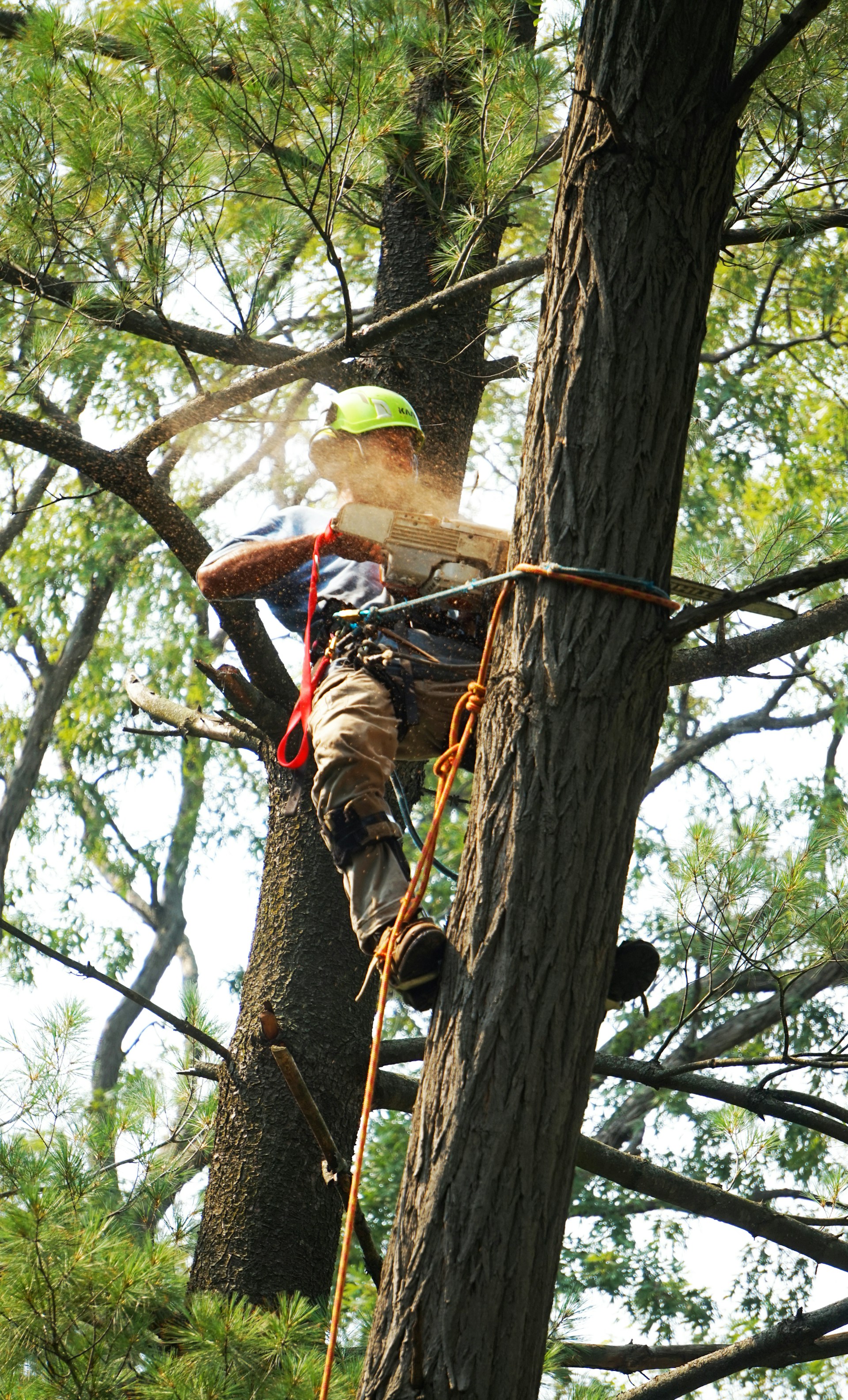
That is the routine job here. Where access is too tight for machinery the stem comes down in controlled rigged sections; where there is no drop zone at all it is lifted out by crane. We own the crane rather than hiring one, so the technical route is always available and does not wait on someone else’s schedule.
What decides whether a tree can be saved rather than removed?
Structure, and how much of it is compromised. Decay pockets or a hollow low on the trunk, included bark where two co-dominant leaders press together, fungal brackets pushing out of the buttress roots, girdling roots strangling the collar, a fresh lean with soil cracked behind it. A thinning crown with small leaves and dieback from the top usually points to root damage rather than anything wrong overhead. Plenty of trees that worry owners need a crown reduction and deadwooding, not a saw at the base.
If replanting is required, what should go in?
Species that will reach the size the calculation assumes, planted where they can actually get there. The commonest mistake is putting a large-growing shade tree under a service line or hard against a wall, which guarantees conflict and heavy pruning within a decade. Match the mature size to the space, plant at the correct depth with the root flare visible rather than buried, and mulch thinly and clear of the trunk.
Do you grind the stump as well?
It is quoted separately. Left in the ground a stump is a mowing obstacle and a trip hazard, and it slowly becomes a decay column that draws carpenter ants and fungi close to the house. Ground out below grade, the ground can be levelled, turfed or replanted immediately — which matters on a commercial site where replacement planting has to go somewhere.
Are you licensed and insured, and do you use subcontractors?
Licensed, fully insured and a member of the Tree Care Industry Association — and no, we never subcontract. R & R has been family-run in North Georgia since 1987 and owns all of its equipment. The crew that quotes your Duluth job is the crew that does it. Free on-site estimates, emergency cover 24/7 on (678) 482-9994.