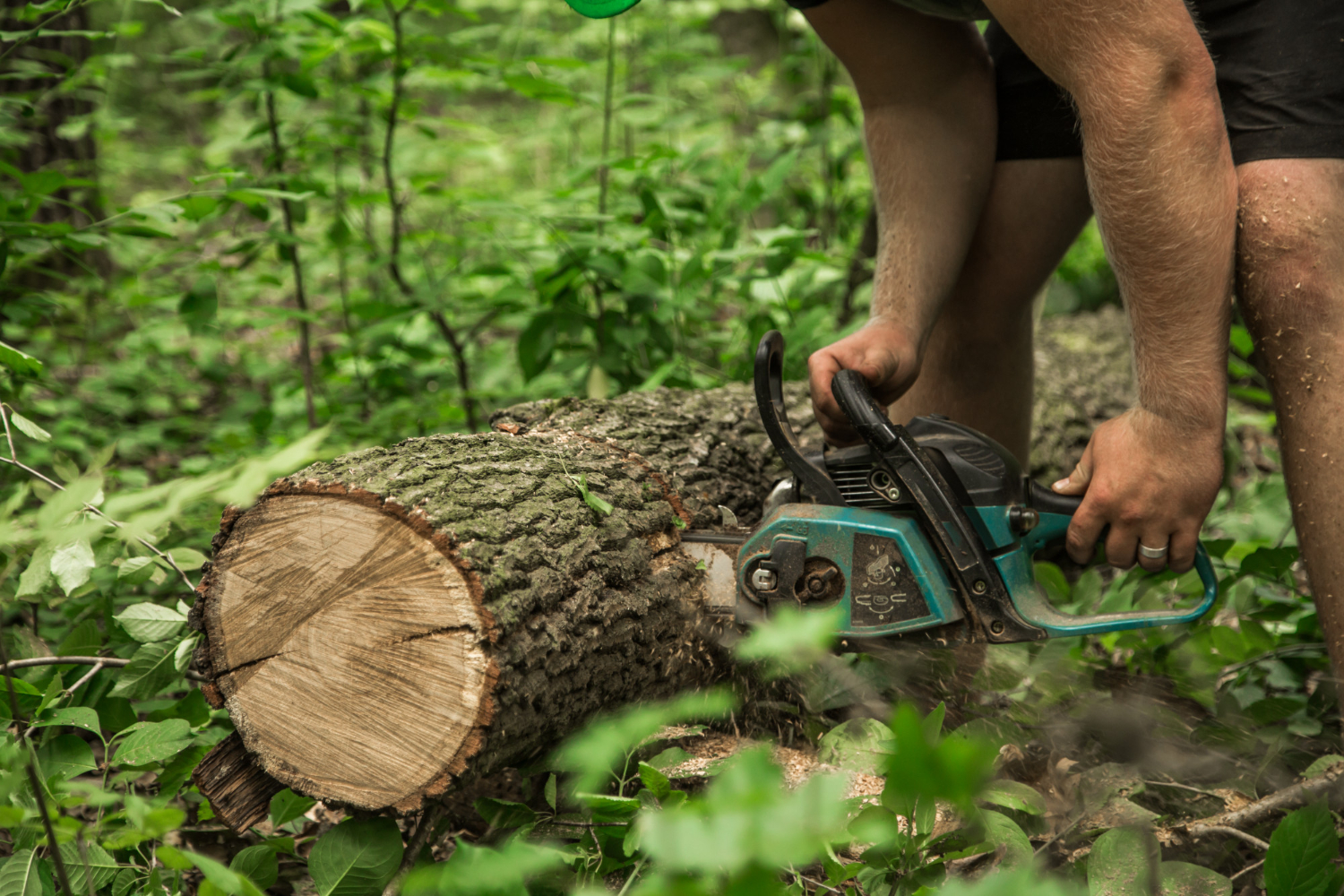
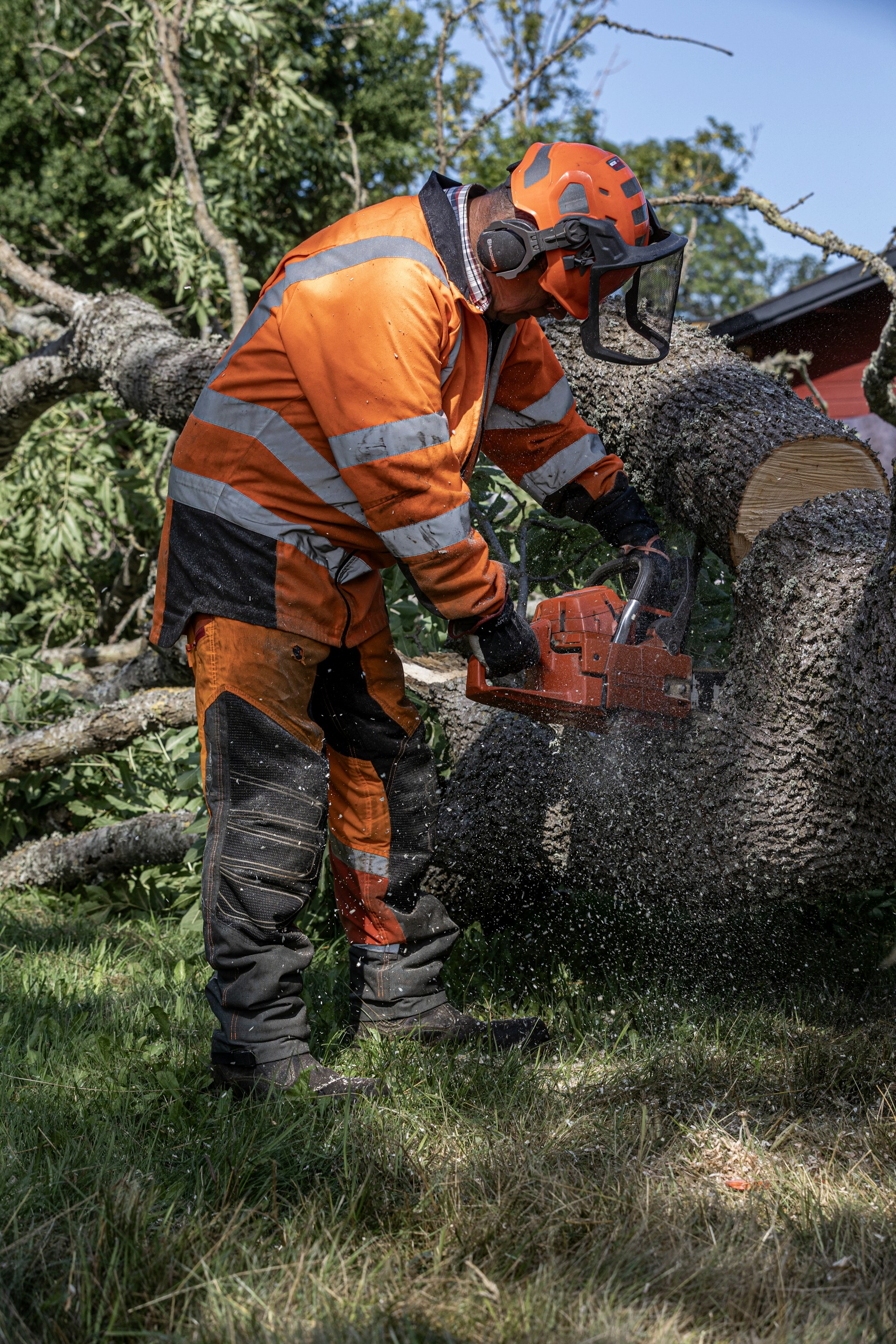
Do I need a permit to remove a tree at my Cumming home?
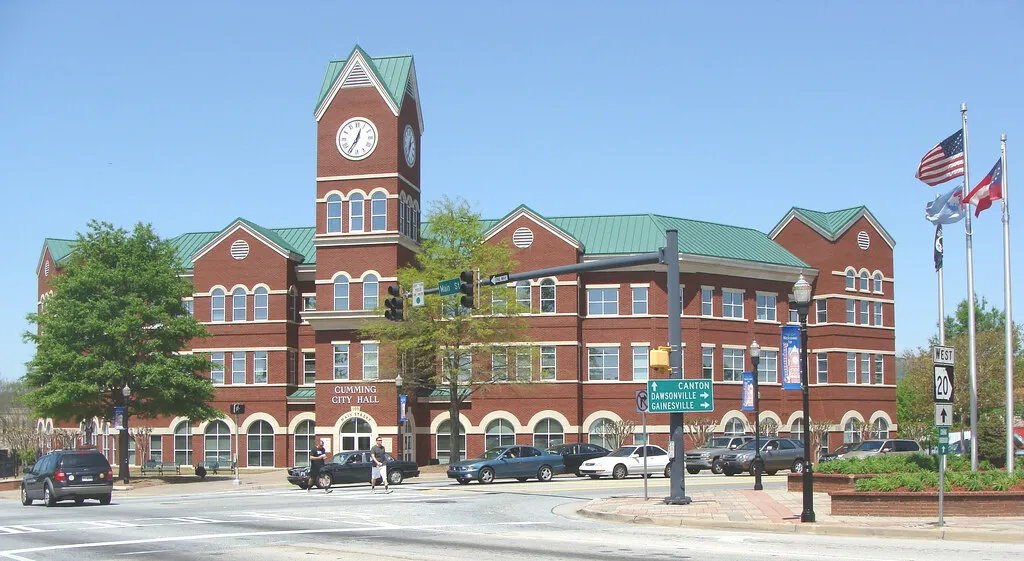
In unincorporated Forsyth County the ordinance lists tree removal by an existing single-family homeowner as specifically exempt, so generally no. Inside the City of Cumming limits the city's own code applies instead, so confirm which you are in — an address alone does not settle it.
We are adding an extension. Does that trigger the tree ordinance?
Additions, alterations, improvements and minor remodelling of an existing residence are on the exemption list, as is construction of structures accessory to an existing residence. Building a new single-family detached dwelling is also exempt unless it forms part of a major subdivision as defined by the county Unified Development Code — that is the point at which it stops being exempt.
What is a boundary tree and why does it matter?
A tree growing along a property line with any part of its trunk crossing that line. Forsyth protects them by prohibiting land-disturbing activity within twenty-five feet of the property line, utilities excepted. If the tree you are dealing with straddles a boundary, treat it as a shared matter from the outset.
Is there a size above which a tree becomes protected?
Not a published one. Forsyth leaves specimen status to the County Arborist, who judges high value on species, size, age or other professional criteria — and a stand can qualify as a specimen stand even where not every tree in it is specimen size. Separately, any tree on the Georgia Landmark and Historic Tree Register cannot be damaged and needs prior county approval before removal.
My house backs onto Lake Lanier. Can I clear the view?
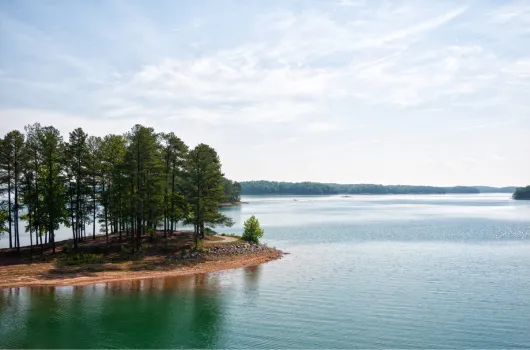
Not on your own authority. The land between the lot line and the water is federal, managed by the US Army Corps of Engineers, and clearing trees or understory there is prohibited without authorisation. Hazardous trees are the exception and go through the Corps, with a ranger determining whether the tree qualifies. It is not a rule worth testing.
The subdivision was cleared a few years ago and trees are failing. Why now?
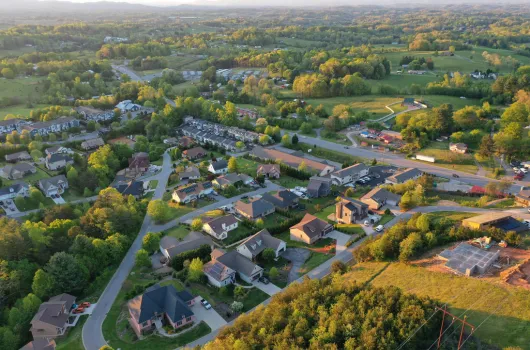
Edge exposure, usually with root damage underneath it. Trees grown inside a closed stand never carried wind individually and never built the taper for it; expose them and they are suddenly load-bearing. Add roots cut for footings, drives and service runs and the decline surfaces two to four years later as a thinning crown and dieback starting at the top.
When is the best time to prune around Cumming?
Late autumn through late winter for most hardwoods — structure is visible with the leaves off, cuts close before the spring flush, and insect and disease pressure around fresh wounds is much lower. Deadwood and clearance work is fine year-round, and anything genuinely hazardous should not wait for a season.
Builders are working next door. How do I protect my trees?
Get fencing up before machinery arrives, not after. Protective fencing set at the edge of the critical root zone is the single most effective measure, because most construction damage is not a saw touching the tree at all — it is compaction. Repeated plant traffic over a root plate crushes the pore space soil needs to hold air and water, and roots suffocate slowly. Add trench cuts for footings, drains and service runs and you can remove a third of a root system without anyone noticing. Also watch where spoil and washout are dumped: two feet of fill over a root plate will kill a mature tree as surely as cutting it.
How long after building work would damage show?
Typically two to four years, which is why the connection so often gets missed. The tree draws on stored reserves to push a normal-looking canopy for a season or two, then the crown thins from the top, leaves come smaller, and deadwood starts appearing in the upper third. By the point it is obvious, the root loss is long done. If there has been digging inside the drip line, an inspection then is far more useful than one later.
Is Cumming within your normal service area?
Yes. We work out of Buford Highway in Buford, a short run across to Forsyth, and Cumming is part of our regular coverage. R & R has been family-owned in North Georgia since 1987, is licensed and insured and a member of the Tree Care Industry Association, owns all its equipment including the crane, and never subcontracts. Free on-site estimates; emergencies 24/7 on (678) 482-9994.